
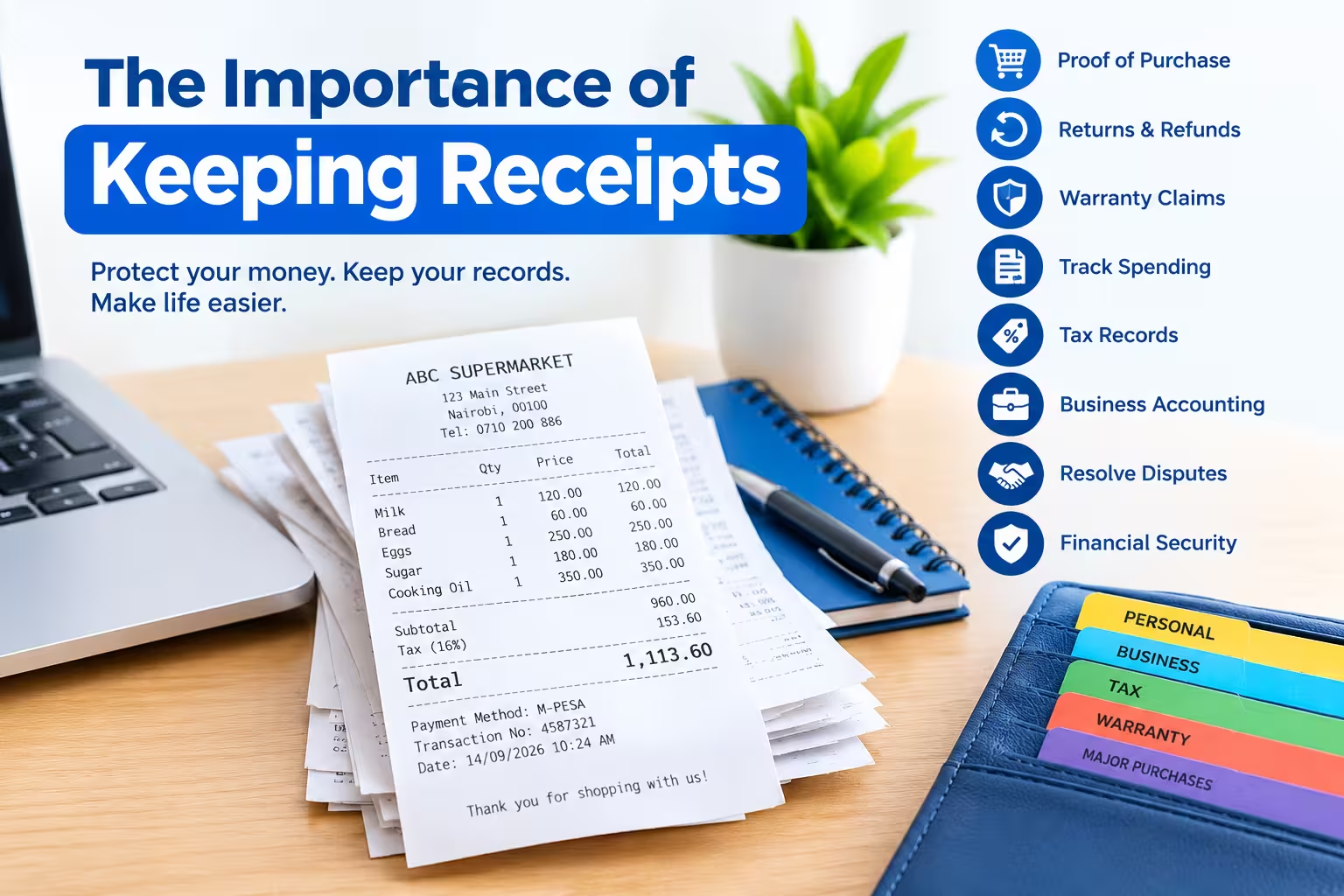
The importance of keeping receipts is that they provide proof of purchase, help you track spending, support tax records, and make returns, refunds, and warranty claims easier. Keeping receipts also helps you resolve billing disputes and maintain accurate financial records for personal or business use.
A receipt may seem like a small piece of paper, but it can become important when you need to prove that a transaction actually happened. Whether you are an individual, employee, landlord, or business owner, organized receipts can protect you financially.
What Is a Receipt?
A receipt is a document that confirms a payment or purchase. It usually includes details such as the seller’s name, purchase date, items or services purchased, amount paid, and payment method.
Receipts can be printed, emailed, downloaded as PDFs, or stored digitally. Regardless of the format, they serve as evidence of a financial transaction.
Why Is It Important to Keep Receipts?
1. Receipts Provide Proof of Purchase
One of the main reasons to keep receipts is to prove that you purchased a product or service. This can be useful if you need to return an item, request a refund, or resolve a disagreement with a seller.
A receipt can show exactly what you bought, when you bought it, and how much you paid.
2. Receipts Make Returns and Refunds Easier
Many stores require proof of purchase before processing a return or refund. A receipt provides clear evidence that the purchase was made at that particular store.
Keeping your receipts can therefore save time when an item is defective, damaged, or simply needs to be returned.
3. Receipts Help With Warranty Claims
Receipts can be important when making warranty claims. Manufacturers or retailers may ask for proof of purchase to determine whether an item is still covered.
For expensive products such as electronics, appliances, furniture, and equipment, keeping the receipt for the duration of the warranty is particularly useful.
4. Receipts Help You Track Your Spending
Receipts provide a detailed record of where your money goes. Reviewing them regularly can help you identify unnecessary purchases and understand your spending habits.
You can use receipts to organize expenses by categories such as groceries, transportation, utilities, clothing, entertainment, and business expenses.
5. Receipts Support Tax Records
Receipts can help document expenses that may be relevant to tax reporting. They provide evidence of the amount spent and the nature of the expense.
Tax rules differ by country and situation, so you should keep records for the period required by the applicable tax authority. For significant tax deductions, consult a qualified tax professional.
6. Receipts Are Essential for Business Accounting
Businesses use receipts to document expenses and maintain accurate financial records. Receipts can support transactions involving office supplies, travel, equipment, inventory, meals, and other business costs.
Keeping these records also makes it easier to reconcile accounts and prepare financial reports.
7. Receipts Help Resolve Payment Disputes
A receipt can help when there is a disagreement about a transaction. For example, a seller may claim that an item was not purchased, or a customer may question the amount charged.
Having the original receipt or a digital copy gives you documentation that can help clarify what happened.
8. Receipts Help With Budgeting
Keeping receipts can make personal and household budgeting more accurate. Instead of estimating how much you spend, you can review your actual purchases.
This is especially helpful when trying to reduce expenses or establish a realistic monthly budget.
9. Receipts Can Help With Insurance Claims
Some insurance claims require proof that you owned an item and, in certain situations, evidence of its value. Receipts can help document purchases of valuable possessions.
For expensive items, it is wise to keep digital copies of receipts in addition to physical copies.
10. Receipts Create a Financial Paper Trail
Receipts create a record of financial activity over time. This paper trail can be useful for personal finances, businesses, legal matters, reimbursements, and other situations where transaction history matters.
A well-organized record is much easier to use than searching through piles of receipts when you urgently need one.
Read: 10 Best Receipt Management Software
How Long Should You Keep Receipts?
There is no single period that applies to every receipt. The appropriate retention period depends on why you need the receipt and the laws, tax requirements, warranty terms, or policies that apply to you.
Keep receipts for major purchases, tax-related expenses, warranties, insurance purposes, and business transactions for as long as they may reasonably be needed.
Which Receipts Should You Keep?
You do not necessarily need to keep every receipt forever. Prioritize receipts for:
- Major purchases
- Business expenses
- Tax-related expenses
- Warranty-covered products
- Insurance-covered property
- Medical or other reimbursable expenses
- Returns and refunds
- Contracts or services
- Items purchased for resale
- Purchases that may become part of a financial dispute
For everyday low-value purchases, you can generally use your own budgeting and record-keeping system to decide how long to retain them.
Frequently Asked Questions
Why is keeping receipts important?
Keeping receipts provides proof of purchases and payments. They can also help with returns, refunds, warranties, taxes, budgeting, accounting, insurance claims, and payment disputes.
Is it better to keep receipts digitally?
Digital receipts are often easier to search, organize, and back up. For important transactions, digital copies can be a useful backup even when you also keep the original paper receipt.
Do receipts matter for small purchases?
Small receipts can still be useful for tracking spending and budgeting. However, the receipts that deserve the highest priority are usually those related to taxes, business expenses, warranties, insurance, major purchases, or potential disputes.
Can receipts be used for tax purposes?
Receipts can provide supporting evidence for qualifying expenses, but tax rules vary by jurisdiction. Keep receipts and other supporting records according to the requirements that apply to your situation.
Why should businesses keep receipts?
Businesses need receipts to document expenses, maintain accounting records, support tax reporting, reconcile transactions, and resolve financial disputes.
Summary
The importance of keeping receipts goes beyond simply proving that you bought something. Receipts can help you return products, claim warranties, track spending, document business expenses, support tax records, resolve disputes, and protect yourself financially.
Instead of keeping receipts in an unorganized pile, create a simple filing system for important documents. For valuable purchases and important financial transactions, keeping a clear digital backup can make the records easier to access when you need them.
Create professional receipts in seconds with Receipt Generator Pro.